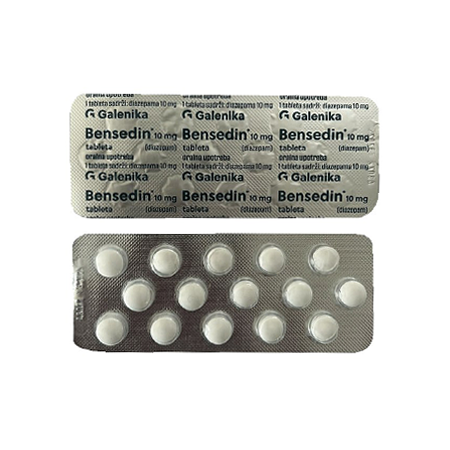
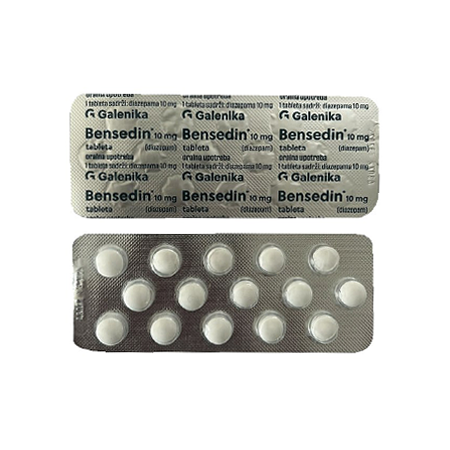
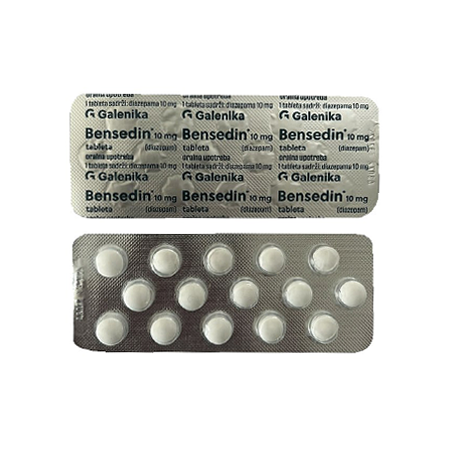
Diazepam, widely known by the brand name Valium, is a prescription medication in the benzodiazepine family, used for its sedative, anxiolytic (anti-anxiety), muscle relaxant, and anticonvulsant properties.
Diazepam works by increasing the effect of a neurotransmitter called gamma-aminobutyric acid (GABA) in the brain. GABA is an inhibitory neurotransmitter, meaning it calms the brain and nerves. Diazepam binds to specific benzodiazepine receptors, allowing more chloride ions into neurons, which reduces their excitability.
Primary Uses
Diazepam is used to treat several conditions, typically for short-term relief (2–4 weeks):
- Anxiety Disorders: Treatment of anxiety, panic attacks, and agitation.
- Muscle Spasms: Relief of muscle stiffness and spasms caused by neurological conditions (e.g., cerebral palsy, paraplegia).
- Seizures: Management of epileptic seizures, particularly status epilepticus (continuous seizure).
- Alcohol Withdrawal: Managing symptoms like tremor and agitation.
- Pre-surgery/Pre-med: Providing sedation, reducing anxiety, and causing short-term memory loss (amnesia) before medical procedures.
Important Precautions
• Avoid Alcohol: Combining diazepam with alcohol can cause extreme sedation, breathing difficulties, or coma.
• Driving: Diazepam can impair the ability to drive or operate machinery.
• Pregnancy/Breastfeeding: Generally not recommended, as it can cause harm to the fetus or neonate.
• Elderly Patients: Older adults are more sensitive to the effects and have a higher risk of falls and cognitive issues; lower doses are often required.
• Drug Interactions: Interacts with many drugs, including opioid painkillers (e.g., oxycodone, morphine), other CNS depressants, and certain antibiotics or antifungals.
 CATEGORY