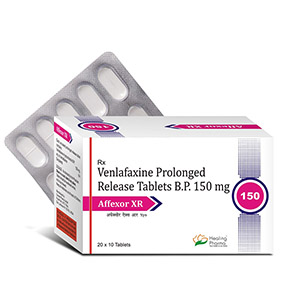
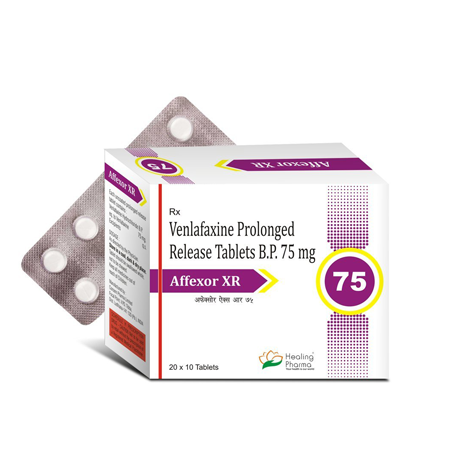
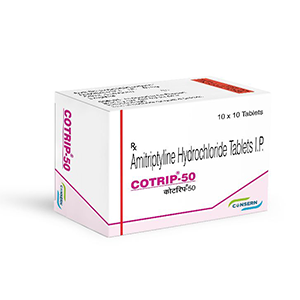
Depression is a state of low mood and aversion to activity. While often described as a dysfunction, there are also strong arguments for seeing depression as an adaptive defense mechanism.There are many symptoms that signify depression. The frequency, duration, and severity of these symptoms will vary depending on the individual.
Depression is a common yet serious mental health condition that affects millions of people worldwide. It is characterized by persistent feelings of sadness, loss of interest in daily activities, and various physical and emotional challenges. Effective management of depression often involves a combination of treatments, including medications, therapy, and lifestyle changes. With the right approach, individuals can find relief from symptoms and regain control over their lives.
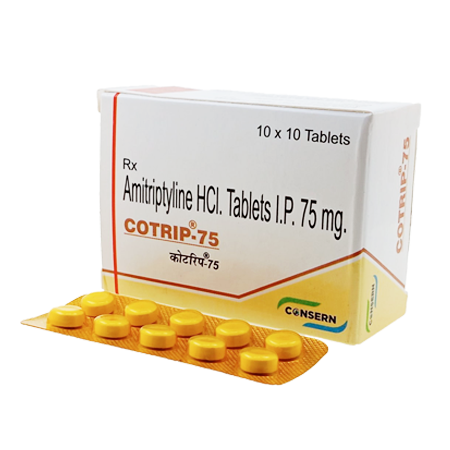
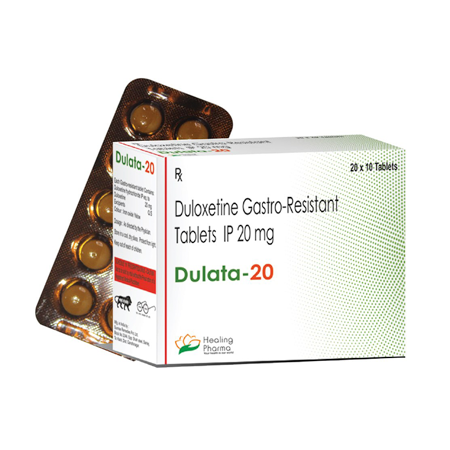
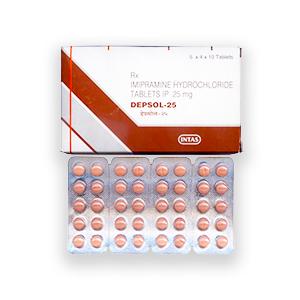
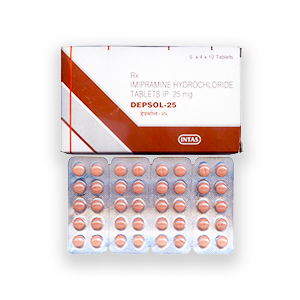
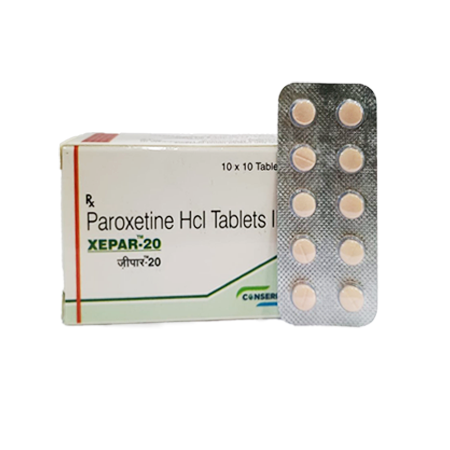
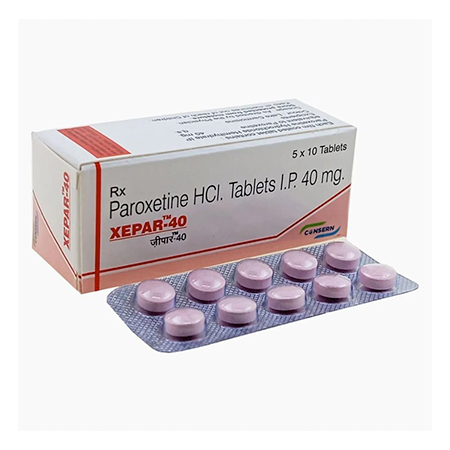
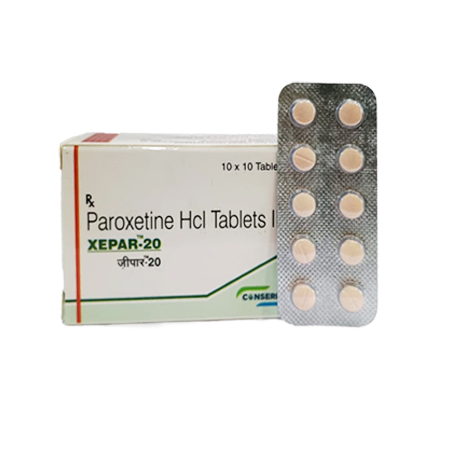
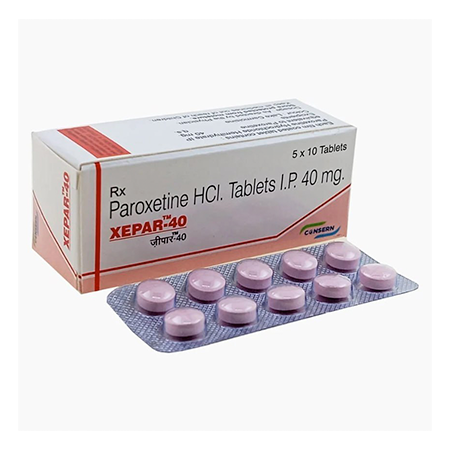
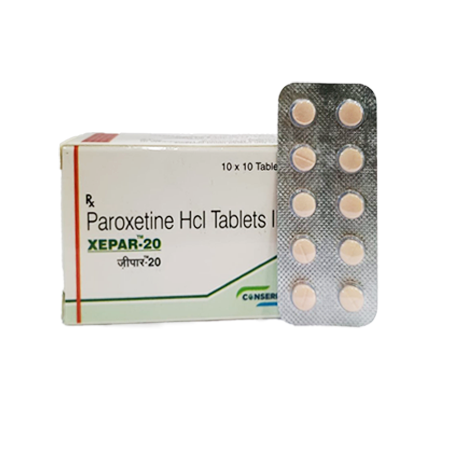
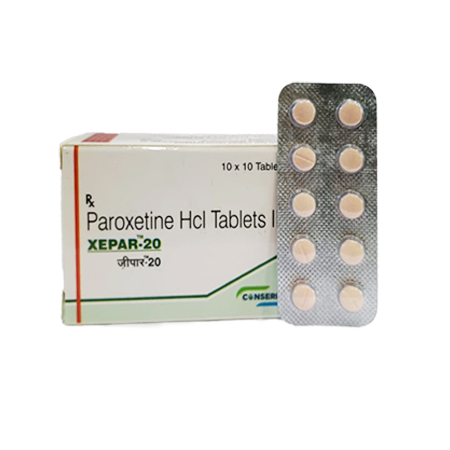
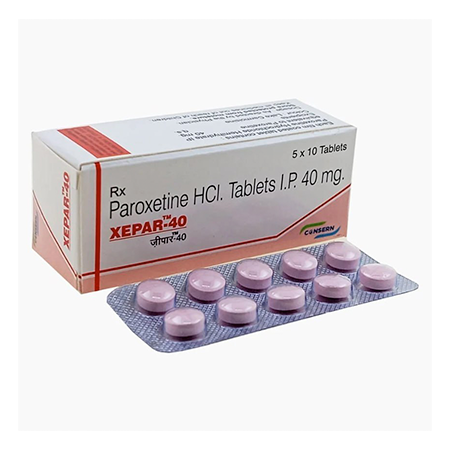
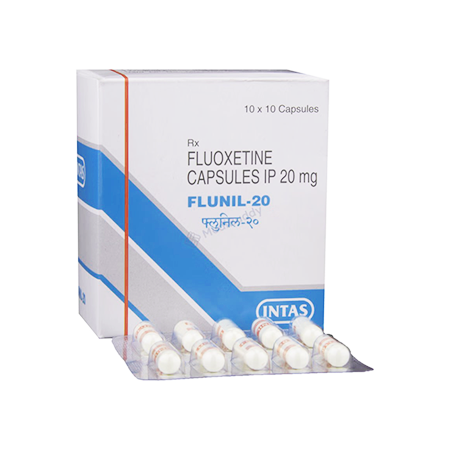
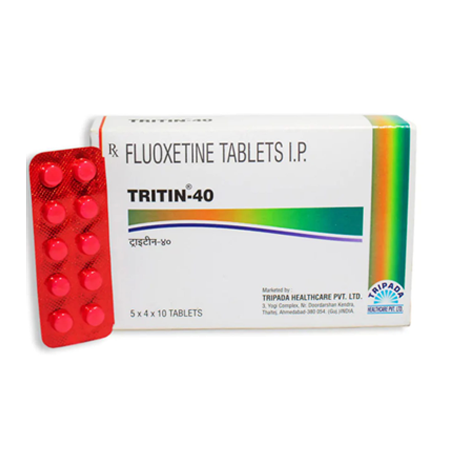
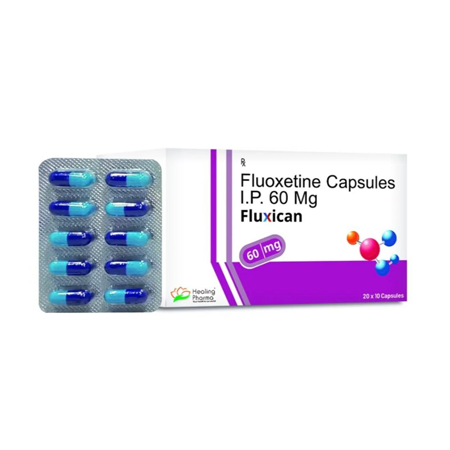
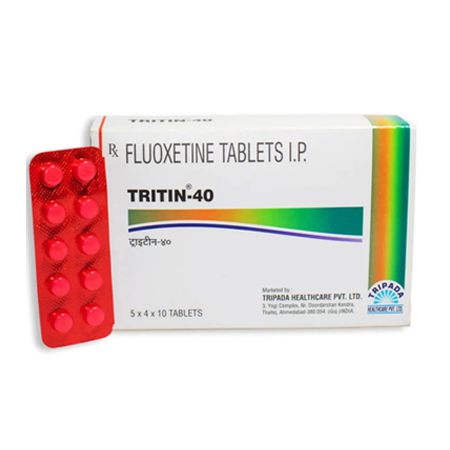
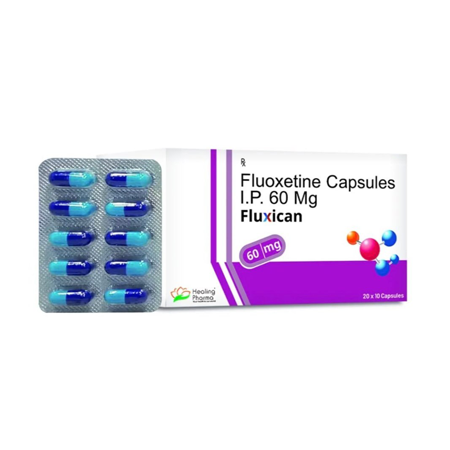
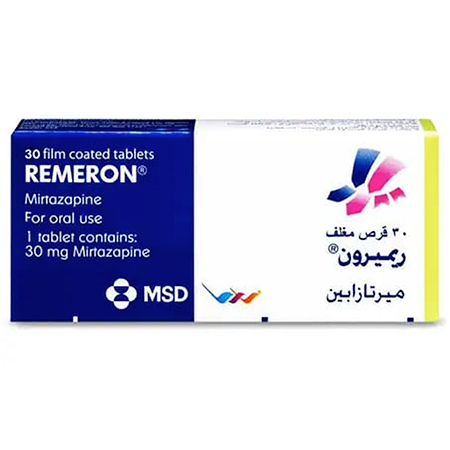
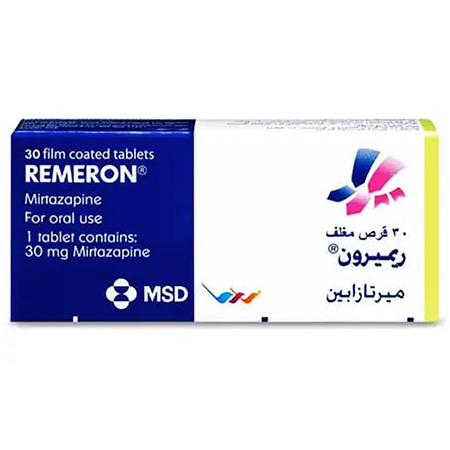
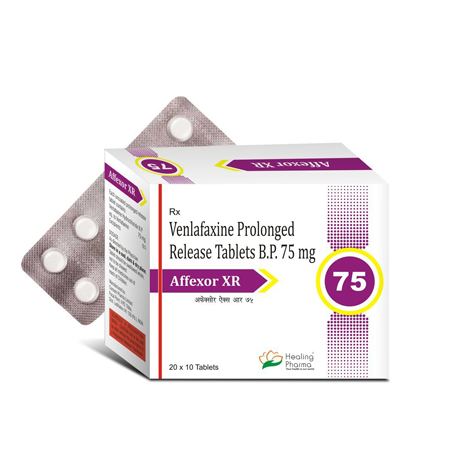
Medications such as antidepressants play a crucial role in restoring chemical balance in the brain and alleviating symptoms of depression. They are often used alongside psychotherapy, which helps individuals address underlying emotional issues and develop coping strategies. Additionally, lifestyle modifications such as regular exercise, a balanced diet, and mindfulness practices can significantly enhance recovery. Tailoring the treatment to each individual's needs is essential for achieving the best outcomes.
Seeking professional help is the first step toward recovery. A mental health specialist can provide a thorough diagnosis and recommend the most suitable treatment plan. It is important to follow medical advice and maintain regular check-ins to monitor progress and make necessary adjustments. Remember, support is available, and effective treatments can lead to improved mental health and a better quality of life.
 CATEGORY